
The Axis decision that changes everything downstream
Most Axis specifications get written as a camera list. The decision that actually matters comes earlier and it is architectural: do you want the device layer to outlive the head-end software? Axis devices are ONVIF conformant and Axis maintains long-term support firmware tracks, so a well-installed camera on a clean cable plant can survive two or three changes of video management software. Almost everything else on the specification follows from whether you intend to use that.
The question is rarely theoretical in metro Atlanta. In the Cumberland and Perimeter office markets a building changes tenants, property managers and sometimes owners faster than it changes cabling, and each of those parties arrives with a preferred platform. On film and television production stages, the security layout is reworked between productions. A portable device layer is worth real money in both cases. A system that only functions with one proprietary recorder is a liability the next owner inherits.
What follows from that decision
If portability matters, cameras, lenses and mounting are specified against the scene and the required evidence, and the head-end becomes a separate, later decision. AXIS Camera Station Pro and the Edge option are then one candidate among several rather than an assumption. If portability does not matter, on a single-owner site with a settled platform, you can specify more tightly and buy less flexibility on purpose.
Lens and pixel density, not megapixels
Calculate field of view and usable pixels per foot at the actual target distance. A panoramic camera improves awareness across an open floor. It does not replace a dedicated identification view at a door. Panoramic and multidirectional bodies genuinely reduce mounts and cable runs, which is why they earn their place on tight retrofit budgets, but only where the resulting detail still meets the stated purpose of that view.
Edge analytics have preconditions
Axis devices can run applications on the camera, and onboard storage can cover a network interruption. Both depend on the exact model and firmware supporting the application, on a calibrated view with a sensible mounting height and angle, and on a defined operator response when a rule fires. An analytic with nobody assigned to act on it is just a notification generator.
Georgia conditions that change the hardware
Humidity is the recurring one. Outdoor and semi-outdoor positions need housings rated and sealed for a climate where dew point sits close to air temperature for months at a stretch, and a camera in an unconditioned dock, stairwell or covered walkway will fog if the housing was not designed for it. West and south elevations add sun load, so the high-temperature rating matters as much as the ingress rating. Runs between buildings on a campus need surge protection and a proper ground, because Georgia thunderstorm season will find an unprotected outdoor run eventually. Confirm PoE class per device against the real switch power budget, and leave uplink headroom sized for the streams you configured rather than the factory defaults.
Cybersecurity ownership
Unique accounts, HTTPS, certificates, signed firmware, time synchronization and a named owner for firmware review belong in the specification, not in a conversation after handover. Clients in Georgia’s data center corridor will ask for this in writing, and tenant fit-outs in managed towers increasingly do the same because the camera sits on somebody else’s network.
Working with KSEDCO
KSEDCO supplies, installs, configures, maintains and supports Axis systems across Georgia from 2700 Cumberland Pkwy SE, Suite 410, Atlanta GA 30339. Call (888) 360-0035 to discuss a site, an installed system or a migration off an aging head-end.
Equipment we supply and install
Axis invented the network camera and still sets the reference for open standards. Across Georgia that openness is what keeps a system serviceable when a building changes hands or a management company changes VMS.
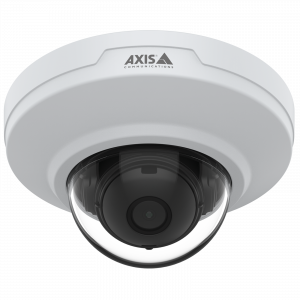
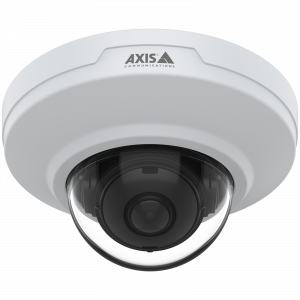
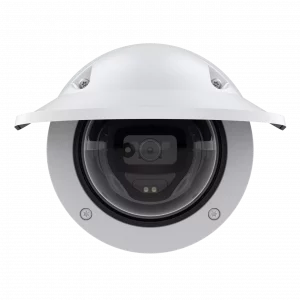
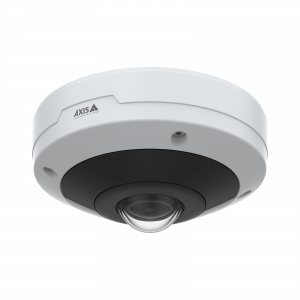
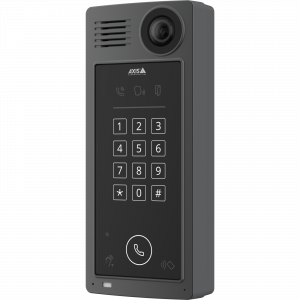
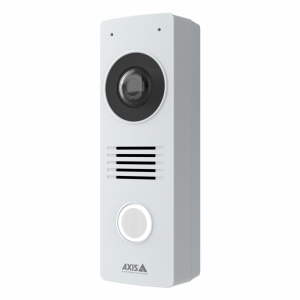
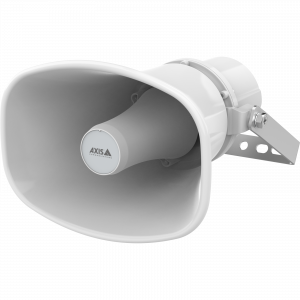
Product images are the manufacturer's, shown for planning. Final models and accessories are confirmed per project.