
Which Paxton system a Georgia building ends up with
Paxton Access is a British manufacturer whose product lines split by architecture rather than by size alone. Net2 is on-premise access control administered from a PC or server. Paxton10 is a browser-managed platform that carries access control and video on the same system, run from a server in the building. Paxton Entry is video intercom. PaxLock is wireless locking for suitable interior openings. The building usually decides which combination fits, so it is worth walking that decision through before anyone quotes a price.
Small industrial and distribution sites
A manufacturer off I-75 near Macon, a plant on the I-185 corridor at Columbus, or a distribution building on I-16 behind the Port of Savannah typically has a modest door count, a lot of physical plant and no dedicated IT staff. Net2 with Net2 Plus controllers suits that shape: the software and database live on a machine in the building, and there is no per-door subscription to renew each year. The work that decides the budget is at the doors anyway, dock man-doors, gate control and the exterior openings that take weather.
Multi-tenant offices
Towers and tenant fit-outs around Cumberland and Perimeter usually need a staffed or remotely released lobby plus tenant-controlled suite doors. Paxton Entry handles the lobby and visitor release; Net2 or Paxton10 handles the doors behind it. The design decision that matters is where the tenant boundary sits in the software, so a tenant administrator can manage their own people without being able to see or change the rest of the building.
Where access and video belong together
Paxton10 is the option to weigh when you want a door event and its footage in one place instead of reconciling two systems after the fact. That is a genuine advantage in student housing around Athens, in amenity and package rooms, and in any facility where the reason to look up a door event is almost always to see who was standing there. It also means sizing server, cameras, storage and PoE budget as one system rather than adding a recorder later.
PaxLock and the doors it does not suit
PaxLock reaches interior openings that were never worth pulling cable to. It does not remove door construction, egress behavior, fire interface, battery replacement or wireless coverage from the scope. Perimeter doors, high-traffic entrances and anything tied to life safety stay wired.
Storm season and the on-site server
Because Net2 and Paxton10 keep software and database in the building, the building’s power becomes part of the security system. Georgia’s summer thunderstorm season produces frequent short outages, and the coastal plain adds hurricane exposure. Put the server, the switch feeding the controllers and the controller enclosures on protected power sized for a real ride-through rather than a courteous shutdown, and put surge protection on the power feed and on any copper leaving the building toward a gate, guard booth or second structure. Grounding and bonding at the enclosure is cheap at rough-in and expensive afterward. Humidity matters too: a controller in an unconditioned mezzanine above a warehouse floor needs an enclosure chosen for that space, not for a clean closet.
What on-premise ownership actually means
Keeping the database in the building means it is yours, and so is the responsibility for it. Before handover, confirm that backups run somewhere other than the machine they protect, that a restore has genuinely been tested, that administrator accounts belong to your organization, and that door naming makes sense to a technician who has never set foot in the building.
Questions worth answering before a survey
- Door count, and which openings are exterior, dock, gate or linked to life safety.
- Whether video needs to sit with access control or stay on a separate system.
- Which credentials and readers already exist and have to keep working.
- Who administers the software, holds the backups and approves access changes.
Related scope: intercom and entry systems and access control systems. KSEDCO’s Georgia office is at 2700 Cumberland Pkwy SE, Suite 410, Atlanta GA 30339, (888) 360-0035.
Equipment we supply and install
Paxton suits Georgia sites that want capable access control without a subscription: Net2 on-premise, or Paxton10 where access and video sit together.
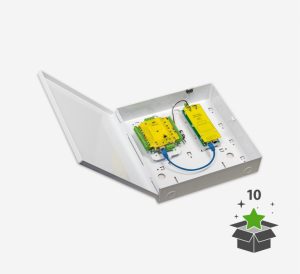
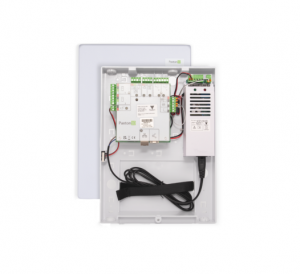
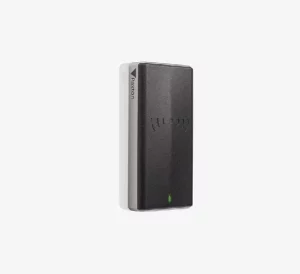
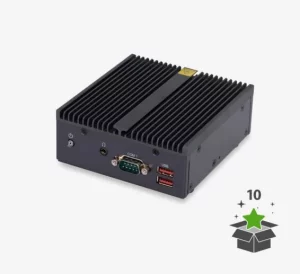
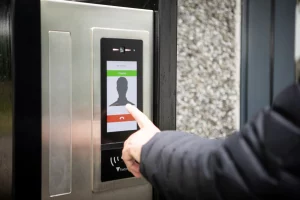
Product images are the manufacturer's, shown for planning. Final models and accessories are confirmed per project.
Paxton owner, administrator and buyer resources
Use these parent-company Paxton guides to research current Net2, Paxton10, Solo, Entry and PaxLock requirements before Georgia survey and implementation.
Discuss Paxton installation, upgrade or service
Detailed guides are maintained by 360TechnologyGroup.com, the parent-company knowledge center.